Conservation Through Tourism
Uganda's approach to conservation tourism demonstrates how responsible travel can be a powerful force for wildlife protection, habitat preservation, and community development.
The country's protected areas generate significant revenue through tourism, directly funding conservation efforts, anti-poaching operations, and community development programs. This model protects endangered species while providing sustainable livelihoods for local communities.
Uganda's conservation tourism strategy balances visitor access with environmental protection, ensuring tourism activities contribute positively to conservation goals and provide authentic experiences for visitors.
Conservation Highlights
- 10 National Parks protected
- 24% forest cover maintained
- 450+ communities benefiting
- $132M conservation funding
- UNESCO World Heritage Sites
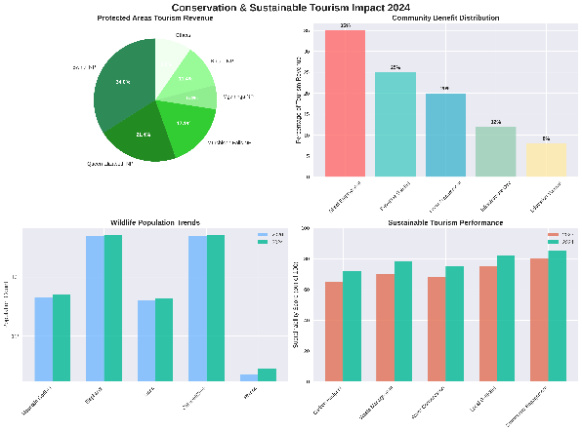
Protected Areas Tourism Revenue
Revenue Distribution by Protected Area
Uganda's protected areas generate substantial revenue through tourism, with funds directly supporting conservation efforts, infrastructure development, and community programs.
Bwindi Impenetrable NP
Mountain Gorilla TrekkingQueen Elizabeth NP
Wildlife SafariMurchison Falls NP
Wildlife & WaterfallsKibale National Park
Chimpanzee TrackingConservation Revenue Impact
Anti-Poaching
$38M invested in wildlife protection
Habitat Restoration
$28M for ecosystem rehabilitation
Research & Education
$18M for conservation science
Wildlife Population Trends
Conservation Success Stories
Tourism revenue has directly contributed to wildlife conservation success, with several species showing positive population trends due to effective protection and habitat management.
| Species | Population (2020) | Population (2024) | Change (%) |
|---|---|---|---|
| Mountain Gorillas | 459 | 500 | +8.9% |
| Elephants | 5,000 | 5,200 | +4.0% |
| Lions | 400 | 435 | +8.8% |
| Chimpanzees | 5,000 | 5,150 | +3.0% |
| Rhinos (Reintroduced) | 22 | 28 | +27.3% |
Gorilla Monitoring
Daily health checks and behavioral studies of all gorilla families, funded by tourism revenue.Anti-Poaching Units
24/7 ranger patrols and surveillance systems protecting wildlife across all parks.Habitat Restoration
Reforestation and ecosystem rehabilitation projects in degraded areas.Research Initiatives
Scientific studies on wildlife behavior, ecology, and conservation strategies.Community Benefit Distribution
Tourism Revenue Sharing with Communities
Uganda's tourism model ensures that local communities directly benefit from conservation efforts through various revenue-sharing mechanisms and employment opportunities.
Direct Employment
Rangers, guides, hospitalityRevenue Sharing
Direct payments to communitiesLocal Procurement
Food, crafts, servicesInfrastructure Development
Roads, schools, clinicsEducation Support
Schools, scholarships, trainingCommunity Development Projects
Education Initiatives
- 45 schools built/renovated
- 1,200 scholarships provided
- Conservation education programs
- Teacher training initiatives
Healthcare Projects
- 28 health centers established
- Mobile medical clinics
- Maternal health programs
- Disease prevention campaigns
Water & Sanitation
- 120 water points installed
- Sanitation facilities built
- Hygiene education programs
- Water quality monitoring
Livelihood Programs
- Beekeeping cooperatives
- Craft production training
- Sustainable agriculture
- Microfinance initiatives
Sustainable Tourism Performance
Sustainability Indicators Progress
Uganda has made significant progress in sustainable tourism practices, with measurable improvements across key environmental and social indicators.
Performance Comparison (2023 vs 2024)
Key Sustainability Initiatives
Renewable Energy
Solar power in 65% of tourism facilities
Carbon Offset
Tree planting offsets tourism emissions
Plastic-Free Zones
Single-use plastic bans in parks
Green Certification
International sustainability certifications
Environmental Impact Assessment
Positive Environmental Impacts
- Increased forest cover from 18% to 24%
- 85% reduction in poaching incidents
- Restoration of 15,000 hectares of degraded land
- Protection of 1,020 bird species
- Clean water access for 450,000 people
- Carbon sequestration of 2.8M tons annually
Environmental Challenges
- Visitor pressure on sensitive ecosystems
- Infrastructure development impacts
- Waste management in remote areas
- Climate change effects on wildlife
- Human-wildlife conflict in buffer zones
- Water resource management challenges
Future Conservation Goals
2024-2025
Immediate Goals
- Achieve carbon neutrality in tourism
- Expand community conservation areas
- Implement digital monitoring systems
- Launch eco-certification program
2025-2027
Medium-term Goals
- Restore 50,000 hectares of habitat
- Double rhino population
- Achieve 90% renewable energy use
- Establish wildlife corridors
2027-2030
Long-term Vision
- Become global conservation leader
- Achieve 30% forest cover
- Zero wildlife trafficking
- Sustainable tourism model replication
Be Part of Uganda's Conservation Success Story
Your visit directly supports wildlife conservation and community development. Experience responsible tourism that makes a difference