Explore the rich tapestry of Ugandan traditions, customs, and social values. Learn about the diverse cultural heritage that makes Uganda the Pearl of Africa.
Ethnic Groups
Rich Cultural Heritage
Discover the diverse traditions and customs of Uganda
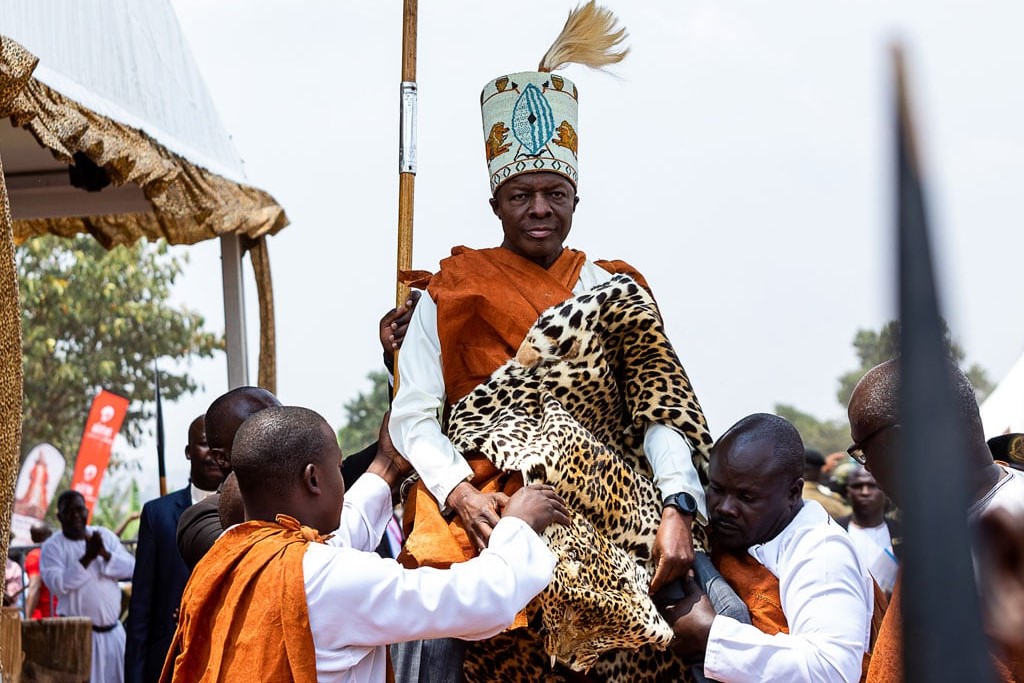
Sophisticated court traditions of Buganda, Toro, Ankole, and Busoga kingdoms with unique customs.
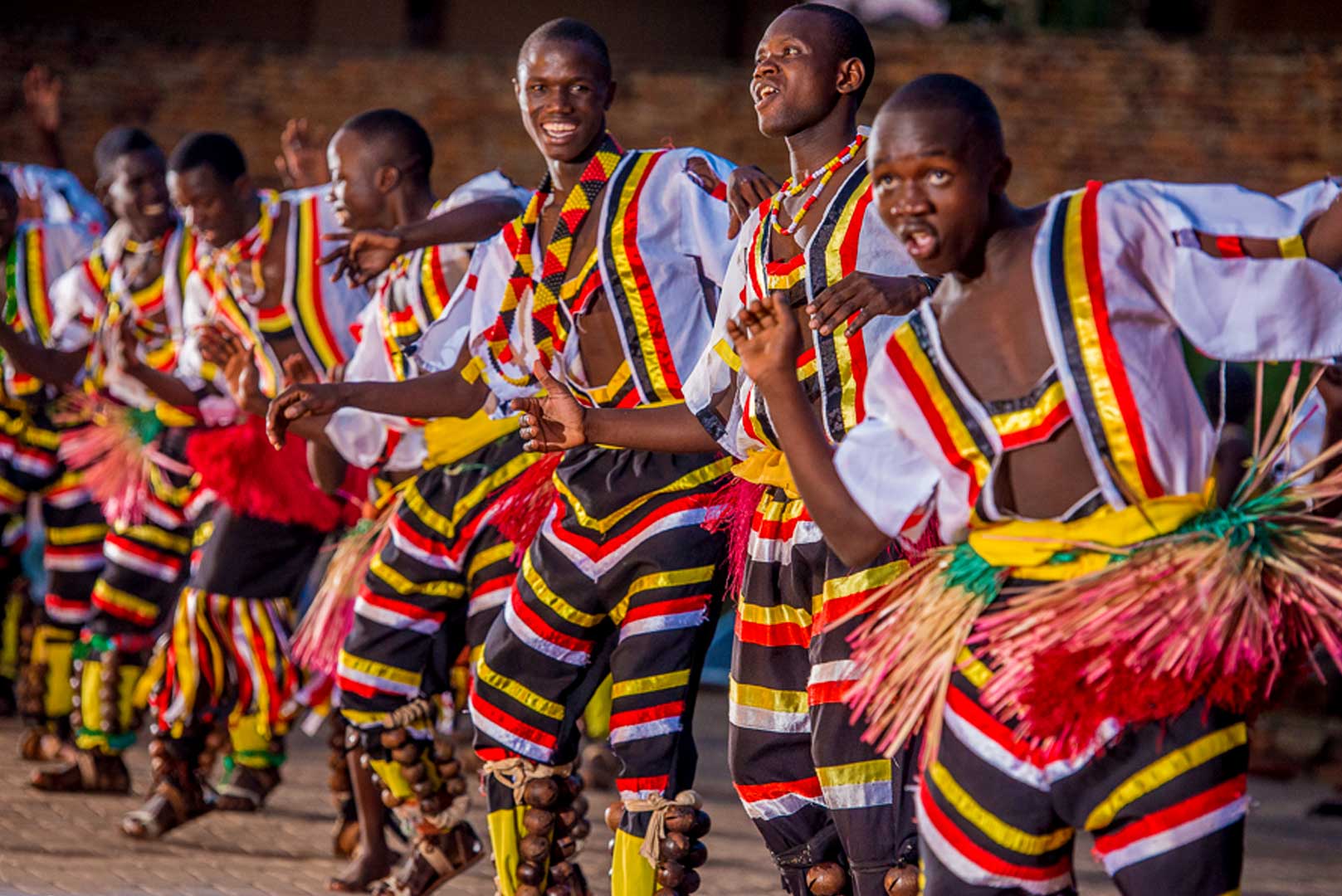
Vibrant music, traditional instruments, ceremonial dances, and storytelling through rhythm.
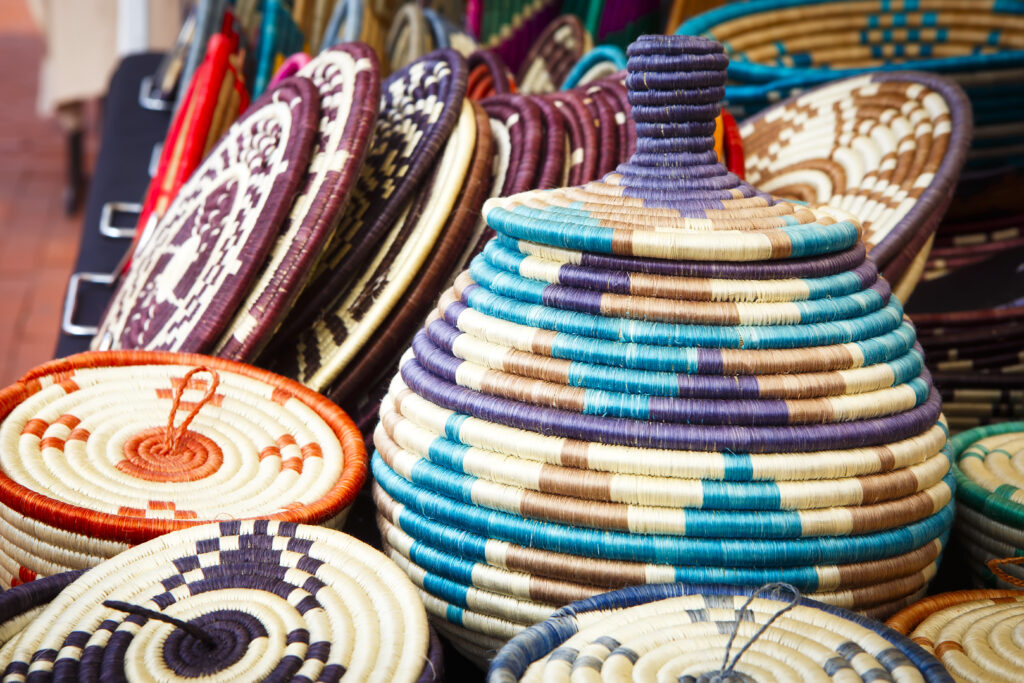
Traditional bark cloth, pottery, basketry, and wood carving reflecting artistic heritage.
Understanding Ugandan social customs and community values
Family is the cornerstone of Ugandan society, with extended networks providing support and continuity.
Respect for authority, age, and hierarchy is central, with customs guiding social interactions.
Gender roles are evolving, with more opportunities for women while respecting tradition.
Ubuntu—"I am because we are"—emphasises compassion, unity, and collective responsibility.
Understanding Uganda's linguistic diversity and communication styles
Uganda's linguistic diversity reflects its cultural richness, with over 40 indigenous languages spoken alongside English as the official language and Swahili as a regional lingua franca.
Understanding Uganda's diverse religious landscape and spiritual practices
Christianity is the predominant religion in Uganda, with various denominations playing significant roles in education, healthcare, and social services.
Islam has a significant presence in Uganda, particularly in certain regions, with mosques serving as centres of worship and community gathering.
Traditional African spiritual beliefs continue to influence Ugandan culture, often blending with modern religions in syncretic practices.
Uganda is known for its religious tolerance and peaceful coexistence among different faith communities. Interfaith dialogue and cooperation are common, with religious leaders often working together on social issues and community development projects.
Exploring Ugandan cuisine and dining customs
Ugandan cuisine reflects the country's agricultural abundance and cultural diversity, with staple foods varying by region and ethnic group.
Ugandan dining customs emphasise hospitality, sharing, and respect for elders and guests in meal settings.
Essential guidelines for respectful cultural interaction
Remember that Uganda is incredibly diverse, with different ethnic groups having their own specific customs. What applies in one region may not apply in another. When in doubt, observe local behaviour and ask your hosts or guides for guidance.
How traditional culture adapts to contemporary life
Uganda successfully balances traditional cultural values with modern development, creating a unique society where ancient customs coexist with contemporary lifestyles, technology, and global influences.
Cities like Kampala showcase cultural fusion, where traditional values meet modern urban living, creating new forms of cultural expression while maintaining core Ugandan identity.
Uganda actively preserves its cultural heritage while embracing beneficial global influences, creating a dynamic cultural landscape that honours the past while building the future.
Learn about the diverse cultural heritage that makes Uganda the Pearl of Africa.